
An international assembly of physicists, researchers, educators, and enthusiasts takes place each year at the International Particle Accelerator Conference (IPAC). While the conference’s primary focus has historically been on cutting-edge physics research, it has recently started to place more emphasis on how physics is applied in everyday life, including home improvement and repair.
Numerous areas of home repairs include the application of physics principles. A few examples of physics principles that are relevant to standard house repairs are electricity, thermodynamics, and mechanics. For instance, correctly erecting and maintaining structural elements such as walls, floors, and ceilings require an understanding of mechanics. Similar to how a home’s insulation functions, thermodynamics is important in determining how well a home is heated or cooled.
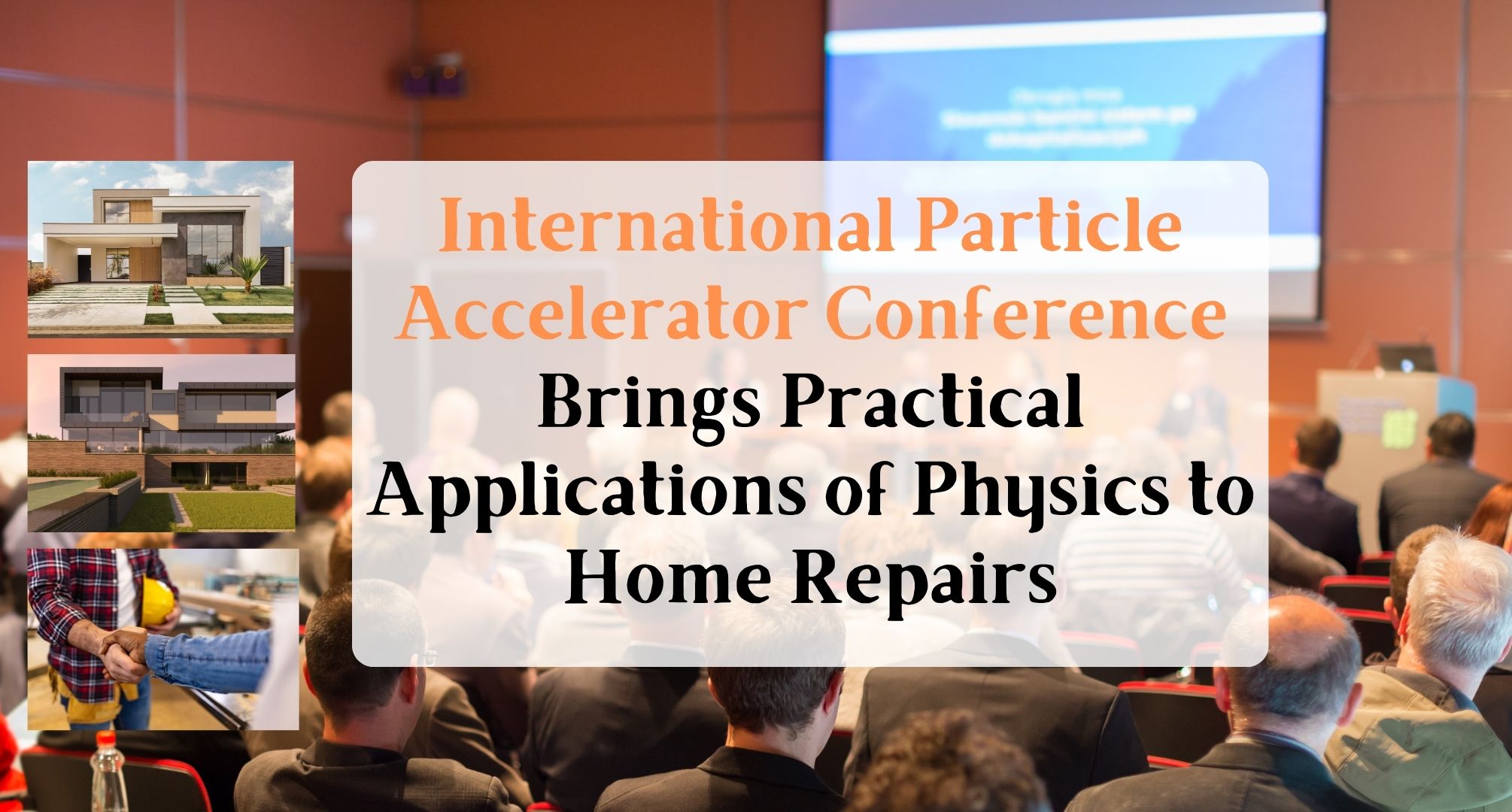
IPAC has played a key role in promoting eco-friendly and effective house repairs. IPAC is promoting cost-effective alternatives for homeowners while also assisting in reducing the environmental impact of home repairs by concentrating on the practical uses of physics in these repairs.
The creation of novel materials is one of the ways IPAC helps with effective and sustainable house repairs. New materials that can be utilized for siding, roofing, and insulation are being investigated by researchers at IPAC. These materials are not only more eco-friendly than conventional ones, but they also perform better at insulating dwellings and cutting down on energy use.
IPAC has contributed significantly to the creation of novel materials as well as residential energy systems. IPAC researchers are investigating the utilization of solar energy and geothermal heating systems as a means of lowering energy usage and lowering homeowners’ energy costs. In addition to being more ecologically friendly than conventional energy sources, these systems are also more economical in the long run.
IPAC’s emphasis on real-world physics applications is having an effect on how experts in the field approach house repairs. For instance, the increased popularity of contractors with expertise in environmentally friendly house repairs is a result of IPAC’s emphasis on sustainability. Furthermore, the significance of environmentally friendly and energy-efficient house improvements is starting to be recognized in construction laws and regulations. The need for experts who are informed about eco-friendly and effective house repairs is anticipated to rise as a result.
The way that homeowners approach house maintenance is likely to be significantly impacted by IPAC’s concentration on practical applications of physics in home repairs. People are likely to give these practices priority when making decisions regarding home improvement as more people become aware of the advantages of sustainable and efficient home repairs. This could involve anything from the installation of energy-efficient technologies to the usage of sustainable materials.
The future of house repairs and improvements as well as sustainable living are likely to be significantly impacted by IPAC’s concentration on practical applications of physics. IPAC promotes cost-effective alternatives for homeowners while simultaneously working to lessen the environmental impact of house repairs by focusing on sustainable and effective home repairs. As a result, the future of house repairs and improvement appears to be more promising and long-lasting than ever.
IPAC’s emphasis on real-world physics applications can inspire advancements in the sector in addition to advancing sustainability and effectiveness in house renovations. For instance, IPAC researchers are always looking into novel materials and technologies that might be applied to home repairs. This can range from improved insulating materials to plumbing systems with increased efficiency. IPAC is promoting innovation and development in the home repair sector by pushing the envelope of what is practical.
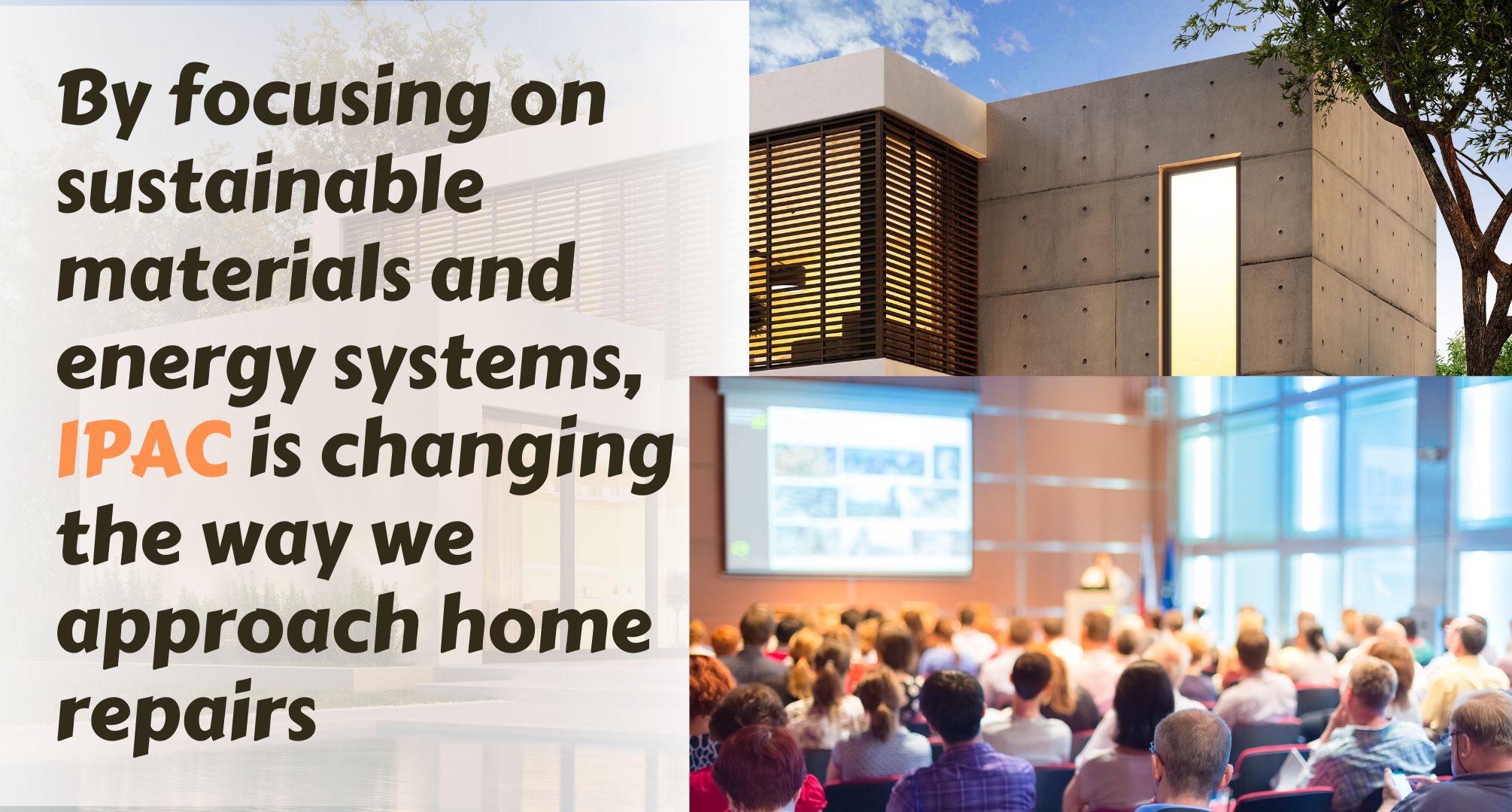
The greater field of sustainable living is anticipated to be significantly impacted by IPAC’s concentration on practical applications of physics. People are likely to apply sustainable and effective home repair techniques to other aspects of their lives as more people become aware of their advantages. For instance, consumers might decide to spend money on electric or hybrid vehicles or buy energy-saving appliances. These actions may have a big effect on the sustainability of our communities and the environment.
The International Particle Accelerator Conference, to sum up, is a significant meeting place for physicists, researchers, educators, and enthusiasts from all over the world. The future of the home improvement industry as well as sustainable living are expected to be significantly impacted by its emphasis on the practical applications of physics in our daily lives, especially in home repairs and improvements. IPAC promotes cost-effective alternatives for homeowners while simultaneously working to lessen the environmental impact of house repairs by focusing on sustainable and effective home repairs. Our homes and communities as a whole are likely to have a future that is more efficient and sustainable as a result.